

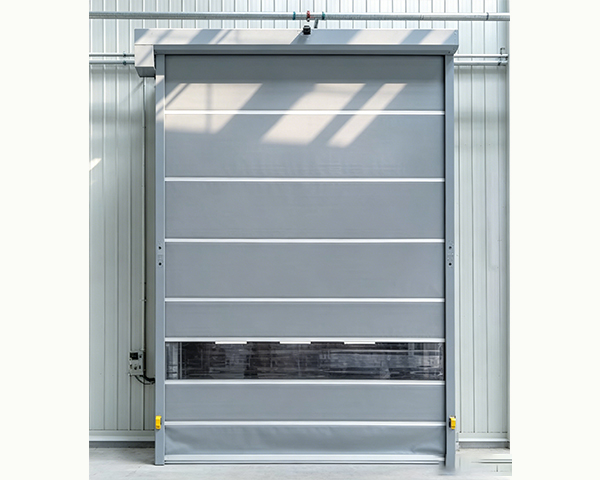
A Thermal insulation villa rolling shutter door is a premium entrance solution designed to improve
energy efficiency, indoor comfort, security, and weather resistance for residential properties,
especially villas, luxury homes, private garages, courtyard entrances, and high-end residential facades. Built with
insulated slats, durable side guides, smooth rolling components, and a secure locking structure, this type of
rolling shutter door helps reduce heat transfer while supporting modern architectural aesthetics.
In today’s building environment, homeowners and developers are increasingly focused on energy-saving door
systems that can reduce air-conditioning loads, limit heat loss in winter, and create a more stable indoor
environment throughout the year. A villa rolling shutter door with thermal insulation is especially
valuable in regions with hot summers, cold winters, strong sunlight, high humidity, wind exposure, or frequent
temperature fluctuations. Because it combines insulation performance with security and space-saving operation, it is
widely used in premium residential applications.
This article provides a detailed overview of the meaning, structure, advantages, typical technical parameters, and
selection considerations of thermal insulation villa rolling shutter doors. It is suitable for
industry pages, product category pages, technical blog posts, and SEO content targeting terms such as
energy efficient rolling shutter door, insulated villa door,
thermal insulation rolling shutter, and residential shutter door.
A thermal insulation villa rolling shutter door is a vertical lifting door system composed of
interlocking slats or panels that roll upward into a compact coil above the opening. Unlike basic metal shutters,
this design includes insulated core materials that slow down heat transfer and improve thermal
performance. The door is typically installed at villa garages, front entrances, patio openings, garden access points,
or auxiliary service entrances where both appearance and performance matter.
The primary function of a thermal insulated shutter is to create a barrier between indoor and outdoor environments.
By reducing conduction, convection, and radiation through the door surface, it helps maintain a more comfortable
interior temperature. This can lower HVAC energy consumption, improve seasonal comfort, and support sustainable
residential construction.
In many projects, the insulated rolling shutter door is selected not only for heat insulation but also for
sound reduction, wind resistance, dust protection, privacy, and anti-theft performance. As a result, it is a
multi-functional entrance solution for modern villas and upscale homes.
Energy efficiency is one of the most important criteria in modern residential design. Large door openings can become
major sources of heat gain in summer and heat loss in winter. For villas, which often feature larger garages,
private courtyards, and wide façade openings, an uninsulated door can significantly affect interior comfort and
operating costs.
A thermal insulation villa rolling shutter door helps reduce unnecessary energy loss by improving
the building envelope. When the door is closed, its insulated structure works as a thermal barrier. This is
especially useful in areas where the garage is attached to the living area, where temperature changes can influence
adjacent rooms.
Energy-efficient doors also contribute to:
Although designs vary, most insulated rolling shutter doors for villas share several core components.
Understanding these parts helps users evaluate product quality, insulation capacity, and service life.
| Component | Function | Common Material Options |
|---|---|---|
| Shutter Slats / Panels | Form the main door curtain and provide insulation, strength, and appearance | Aluminum alloy, galvanized steel, double-layer insulated profile, PU foam-filled panels |
| Insulation Core | Reduces heat transfer through the door body | Polyurethane foam, EPS, thermal barrier inserts |
| Side Guides | Guide the door curtain during opening and closing | Powder-coated steel, aluminum guide rails |
| Top Box / Hood | Houses the rolled curtain when the door is open | Metal enclosure, color-coated steel, aluminum cover |
| Bottom Rail | Improves sealing, stability, and closing pressure | Reinforced aluminum or steel profile with sealing strip |
| Seals | Reduce air leakage, dust entry, and water infiltration | EPDM rubber, PVC sealing strips, brush seals |
| Operation System | Controls opening and closing movement | Manual spring system, tubular motor, side motor, smart motor |
| Locking / Safety Devices | Increase security and prevent forced opening | Manual locks, anti-lift devices, automatic locking systems |
The thermal performance of a villa rolling shutter door depends on its material composition, thickness, sealing
quality, and structural design. A well-insulated door reduces energy exchange between indoor and outdoor spaces in
several ways.
Heat conduction occurs when temperature moves through the door material. Insulated slats with foam-filled cores or
thermal barrier layers slow this process, making it harder for heat to pass from a hot exterior into a cooler
interior, or from a warm interior into a cold exterior.
Air leakage is another major cause of energy loss. Quality sealing strips, precision side guides, and a tight bottom
rail reduce drafts and help maintain stable indoor temperatures.
Since the interior temperature stays more stable, heating and cooling systems do not need to work as hard. This can
improve equipment efficiency and help extend HVAC service life.
In sunny climates, door surfaces can absorb significant solar radiation. Reflective coatings, insulated cores, and
proper surface finishes help minimize solar heat gain.
A high-quality energy efficient villa rolling shutter door offers a combination of performance
benefits that make it attractive for residential and premium architectural use.
| Advantage | Description |
|---|---|
| Energy Saving | Helps reduce heating and cooling costs by limiting thermal exchange |
| Indoor Comfort | Maintains a more stable temperature in garages and adjacent rooms |
| Noise Reduction | Insulated layers can help lower outdoor noise penetration |
| Security | Strong curtain structure and locking system improve protection |
| Space Saving | Roll-up design does not require inward or outward swing space |
| Weather Resistance | Offers protection from wind, rain, dust, and sunlight |
| Privacy | Helps shield interior spaces from outside view |
| Modern Appearance | Suitable for luxury homes and contemporary villa facades |
These advantages make insulated rolling shutters a practical choice for residential owners who want performance
without sacrificing appearance. The door can function as both a protective barrier and a design element.
Although the term “villa rolling shutter door” often refers to garage entrances, this product type can be used in
several residential locations.
In every application, the benefits of insulation and controlled opening are clear: improved energy performance,
reliable security, and a cleaner visual profile compared with many traditional door styles.
Material selection is critical for performance, durability, and thermal efficiency. Different materials offer
different balances of weight, strength, corrosion resistance, and insulation capability.
| Material Type | Features | Typical Use |
|---|---|---|
| Aluminum Alloy | Lightweight, corrosion-resistant, modern appearance, compatible with foam filling | Premium villa doors, coastal areas, decorative applications |
| Galvanized Steel | High strength, durable, cost-effective, can be insulated with foam or composite layers | Residential garages, security-focused entrances |
| Double-Skin Aluminum Profiles | Improved thermal performance and rigidity | High-end insulated shutter systems |
| PU Foam-Filled Slats | Excellent thermal insulation and structural stability | Energy-saving villa garage doors |
| Composite Panels | Balanced insulation, visual flexibility, and acoustic performance | Architectural residential solutions |
The exact specifications of a thermal insulation villa rolling shutter door can vary depending on
size, climate requirements, material, and operation mode. The table below shows common industry reference values.
These are general specifications and should be treated as typical ranges rather than exact product limits.
| Specification Item | Typical Range / Option | Notes |
|---|---|---|
| Door Width | 2.0 m – 6.0 m | Custom widths available for villa openings |
| Door Height | 2.0 m – 3.5 m | Can be adjusted according to architectural design |
| Slat Thickness | 0.8 mm – 1.5 mm metal skin, with insulated core | Thicker profiles improve strength and insulation |
| Insulation Core | PU foam, EPS, thermal barrier composite | Foam density affects thermal performance |
| Thermal Performance | Improved U-value compared with single-skin shutters | Depends on design and installation quality |
| Wind Resistance | Moderate to high, depending on profile and guide system | Important in open or coastal environments |
| Surface Finish | Powder coating, PVDF coating, anodizing, painted finish | Supports weather resistance and appearance |
| Operation Mode | Manual, motorized, remote control, smart control | Motorized systems are common in villas |
| Opening Speed | Adjustable by motor type | Not the same as industrial high-speed doors |
| Noise Level | Low to moderate | Depends on guide alignment and motor quality |
| Color Options | White, gray, black, wood grain, custom RAL colors | Matches villa façade design |
Not all insulated shutter doors deliver the same thermal result. Several design and installation factors affect real
energy-saving performance.
Multi-layer slats with a continuous insulated core generally perform better than thin single-layer metal curtains.
The thickness and density of the insulation material matter significantly.
Even a well-insulated door can lose efficiency if there are gaps around the frame. Side seals, top seals, and bottom
seals are essential for reducing air leakage.
Proper guide alignment, balanced tension, and correct opening dimensions are necessary for reliable thermal
performance. Poor installation can create gaps, friction, and operational problems.
Larger openings may naturally have more heat exchange. In such cases, selecting a higher-performance insulated door
becomes even more important.
A door used in hot coastal climates faces different demands than one used in cold inland climates. Choosing the
right insulation level should be based on local weather conditions and seasonal temperature patterns.
Many users search for insulated shutter doors because they want more than temperature control. A well-constructed
villa rolling shutter door can also improve acoustic comfort by reducing external noise.
Sound reduction is especially useful for villas near busy roads, commercial districts, airports, or active
neighborhoods. The dense structure of insulated slats, combined with sealing strips and stable guide rails, helps
reduce the transmission of outdoor noise into the garage or interior spaces.
While rolling shutter doors are not usually classified as full acoustic barriers, their sound-dampening effect can be
a meaningful comfort improvement in residential settings.
Energy efficiency is a major reason to choose an insulated door, but security is equally important in villa
applications. A rolling shutter door provides a strong physical barrier that is difficult to force open compared
with lightweight open-frame systems.
Common security-related advantages include:
In addition, the opaque structure of the door improves privacy by limiting visibility from the outside. This is
particularly important for private homes where access points should remain discreet and protected.
Villas typically emphasize appearance as much as function. For that reason, thermal insulation villa rolling
shutter doors are often chosen in colors, finishes, and profiles that complement the building façade.
Popular visual features include:
A well-designed insulated shutter can enhance the architectural identity of a villa while remaining functional and
low maintenance.
To maintain insulation performance and operational reliability, regular maintenance is important. Over time, wear,
dirt, misalignment, and seal degradation can reduce the effectiveness of any door system.
| Maintenance Task | Recommended Frequency | Purpose |
|---|---|---|
| Inspect seals | Every 3–6 months | Check for cracks, flattening, or air leakage |
| Clean slats and guides | Every 1–3 months | Remove dust, debris, and corrosion-causing residue |
| Check motor operation | Every 6 months | Ensure smooth movement and stable performance |
| Lubricate moving parts | As needed | Reduce friction and noise |
| Verify guide alignment | Every 6–12 months | Prevent rubbing, gaps, or uneven rolling |
| Inspect surface finish | Annually | Maintain corrosion resistance and appearance |
Proper maintenance supports both the energy-saving function and the service life of the door. A neglected door may
still open and close, but its thermal and sealing performance can decline significantly.
When selecting a thermal insulation villa rolling shutter door, buyers should consider more than
just appearance or price. The best choice depends on climate, door opening size, security needs, and daily usage
patterns.
For residential and villa projects, it is usually best to balance thermal performance, aesthetics, durability, and
ease of use rather than focusing on one single feature.
The following keyword phrases are commonly associated with insulated residential shutter doors and can help support
search relevance in a blog, category page, or industry content page:
| Feature | Insulated Villa Rolling Shutter Door | Non-Insulated Rolling Shutter Door |
|---|---|---|
| Energy Efficiency | High thermal performance, reduced heat transfer | Lower thermal performance, more heat loss/gain |
| Indoor Comfort | More stable temperature | Temperature changes more easily |
| Noise Reduction | Better acoustic control | Limited sound reduction |
| Security | Strong and robust | Varies by material and thickness |
| Weight | Slightly heavier depending on core and profile | Usually lighter |
| Appearance | Premium, modern, villa-friendly | Basic or functional appearance |
| Best Use | Villas, premium garages, residential façades | General utility openings, basic storage |
A thermal insulation villa rolling shutter door is a highly effective solution for homeowners who
want better energy efficiency, stronger security, improved comfort, and a polished architectural
look. By combining insulated materials, precise sealing, reliable rolling operation, and customizable finishes, it
delivers practical benefits for modern residential environments.
Whether used for a villa garage, a private entrance, or a courtyard opening, an insulated rolling shutter door can
help reduce energy consumption while enhancing usability and visual appeal. For projects that prioritize
sustainable design, thermal comfort, and long-term performance, this door type remains one of the most versatile and
valuable choices in the residential door market.
If you are building an SEO-focused industry page or blog article, this topic naturally supports search queries
related to insulated garage doors, residential shutter systems, thermal barrier doors, and energy-saving entrance
solutions. The combination of technical benefits and lifestyle advantages makes it a strong subject for organic
traffic and long-tail keyword ranking.
```
Shenyang Manlong Metal Products Co., Ltd.


Copyright © 2026 Shenyang Manlong Metal Products Co., Ltd. All rights reserved Applications
This website uses cookies to ensure you get the best experience on our website.

 Español
 Portugues
 Pусский
 Français
 Deutsch
 العربية
 ไทย
ไทย Türk dili
 Tiếng Việt



 Phone
Phone
Comment
(0)